Best of
Best Daily Running Kit (Sample)
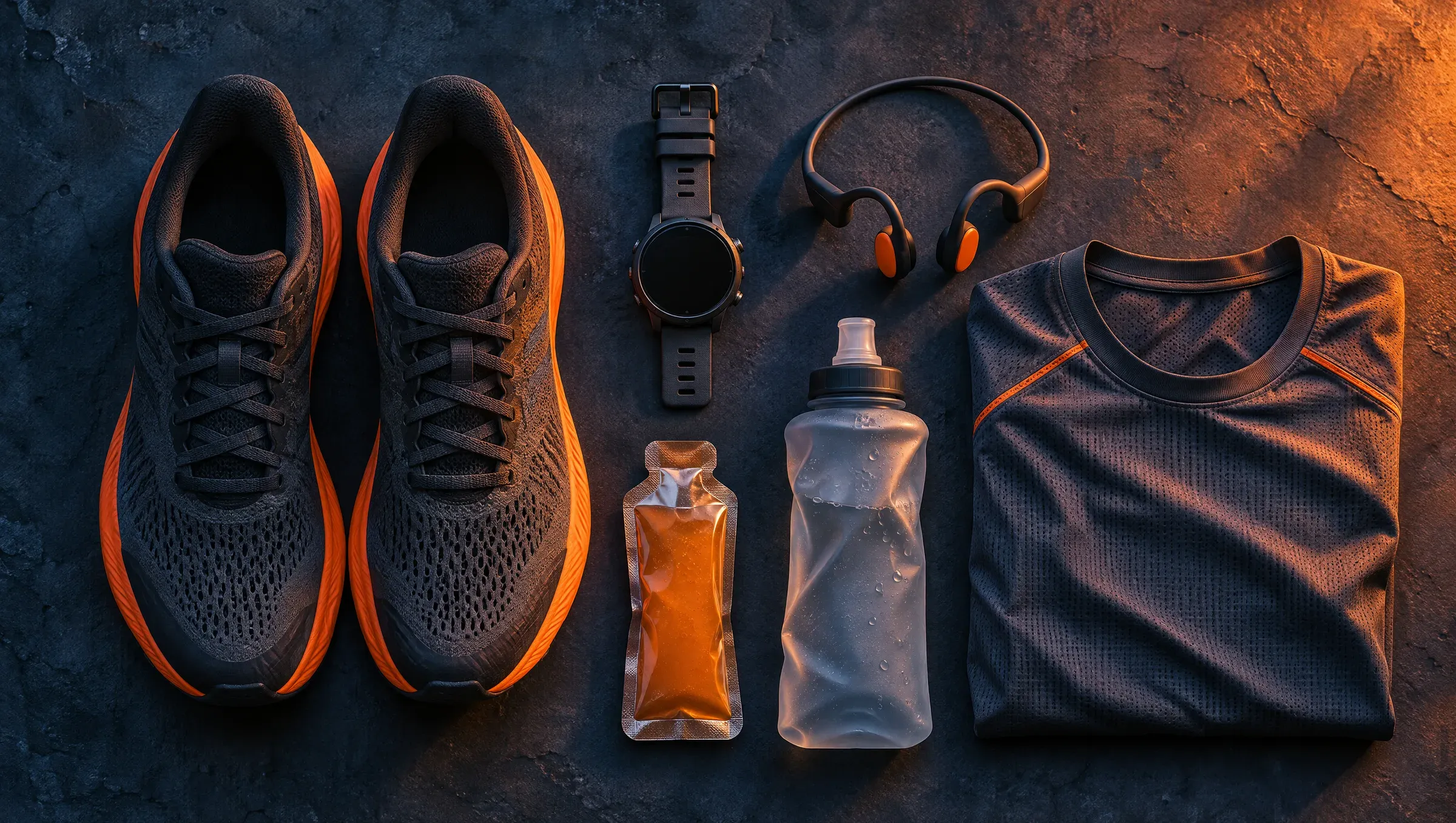
Most training happens on ordinary days: easy miles before work, a steady long run at the weekend, a few strides when the legs feel good. This is the kit we reach for on those days. Every pick is tested over weeks of real running, and none of it asks you to think twice before you head out the door.
The winners
 Best OverallWatches
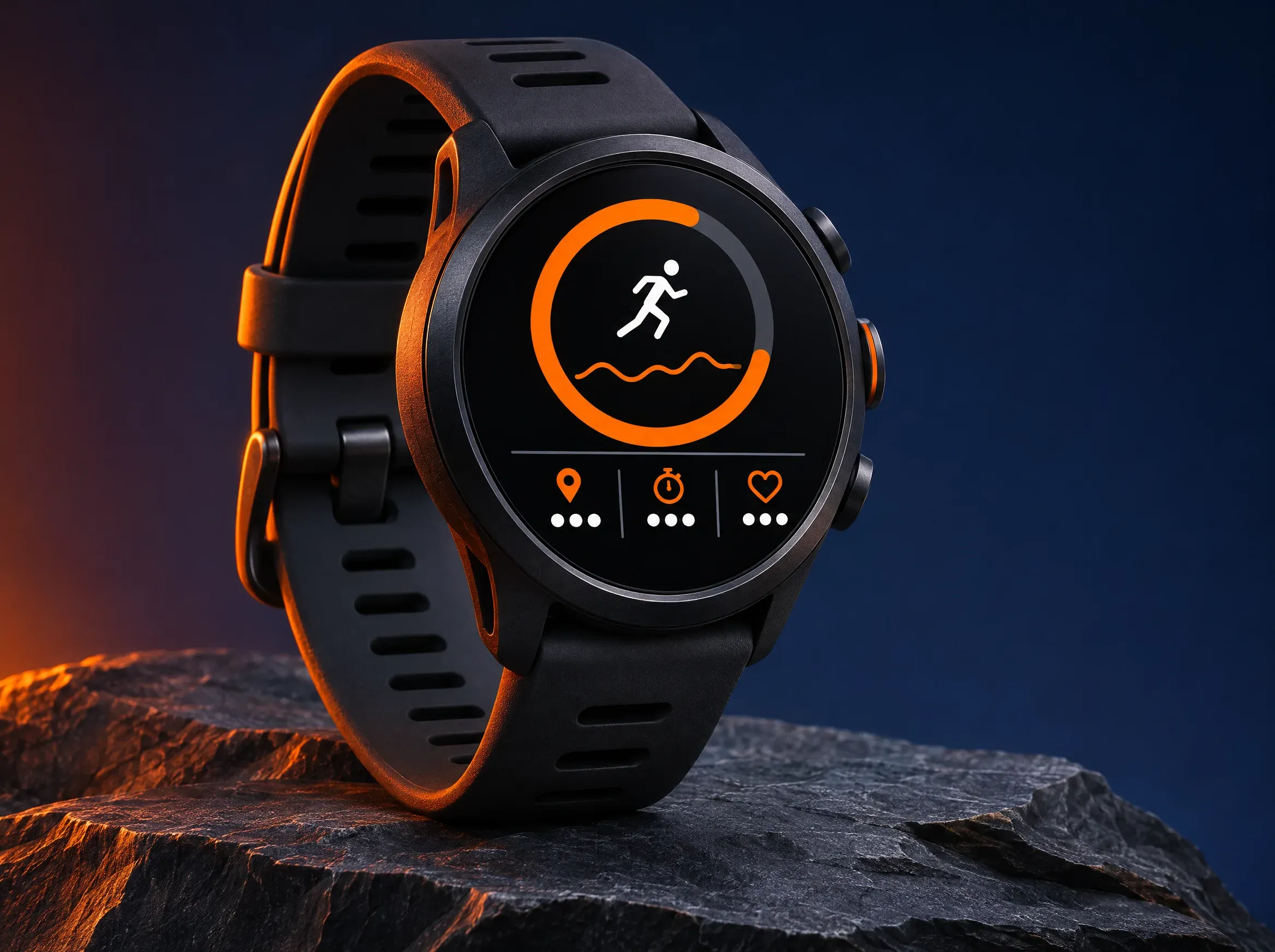
Example Pace GPS Watch
Dual-band accuracy, a bright display and two weeks of battery make this the piece of kit that improves every run. It is the upgrade we would make first.
9.1/10$299
 Best Shoe for Daily MilesShoes
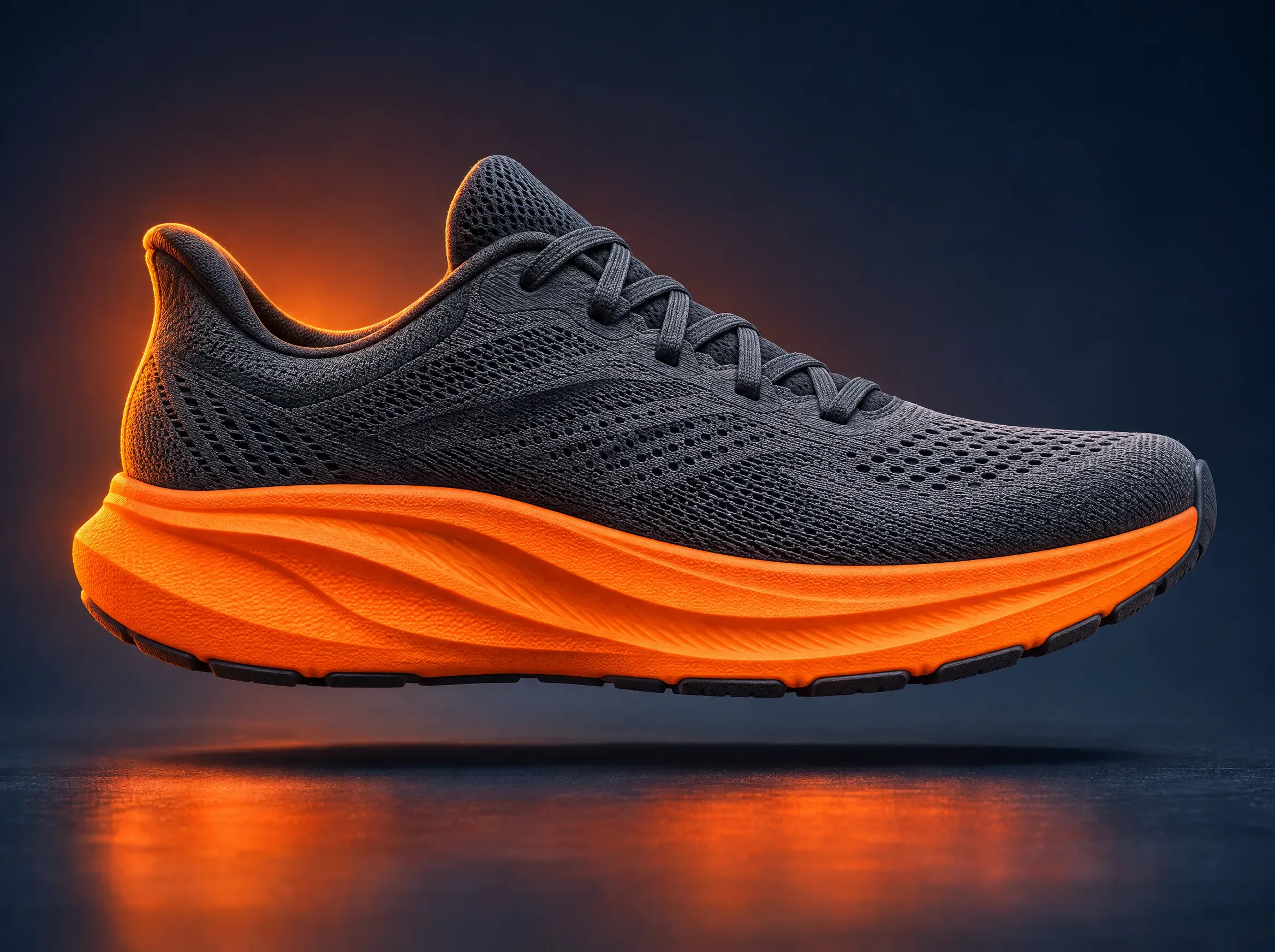
Example Daily Trainer
Soft, stable and durable, this is a shoe that handles the bulk of a training week without complaint. Pair it with something lighter for speed days.
8.7/10$140
 Best for AwarenessAudio
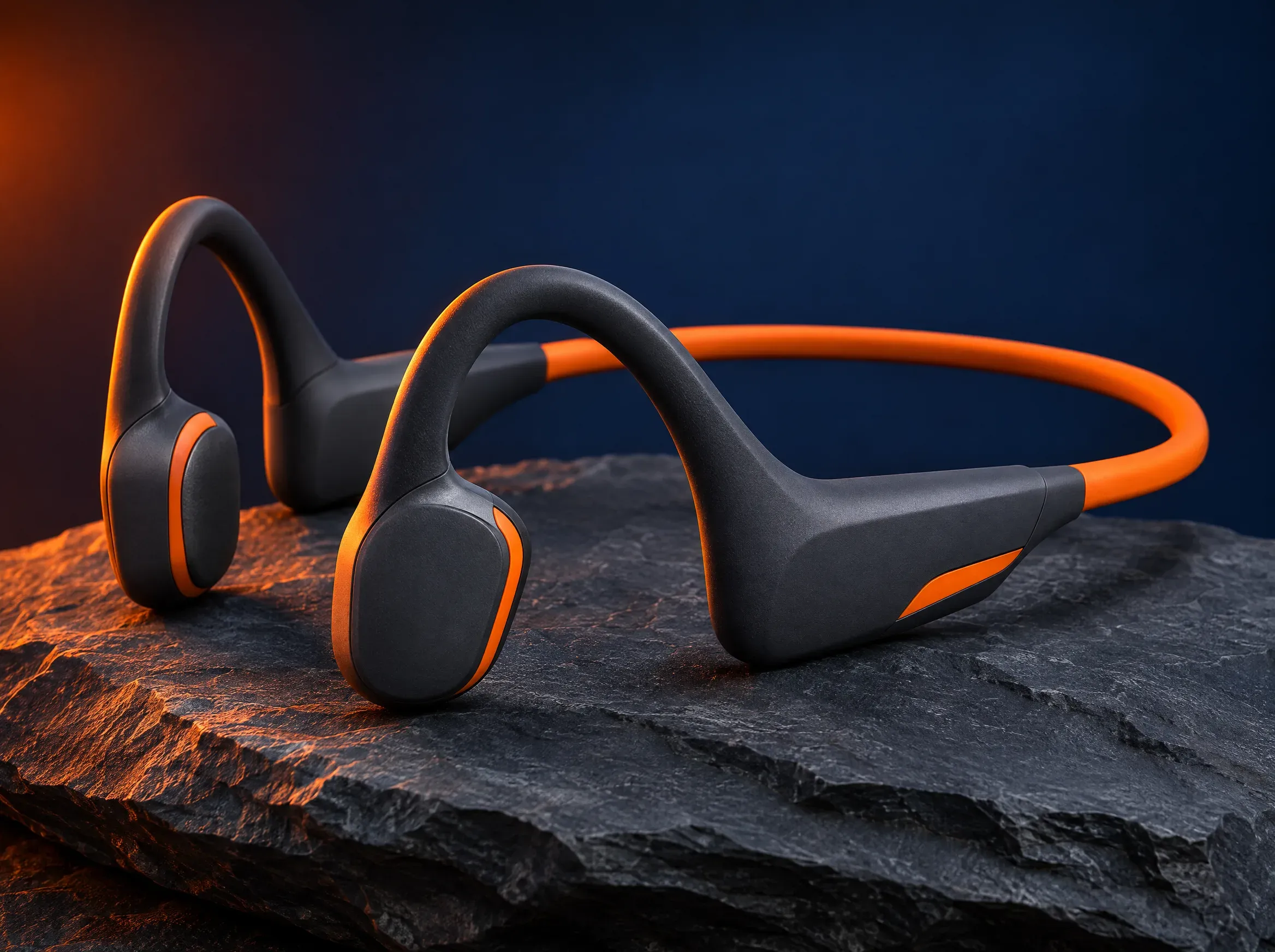
Example Open-Ear Sport Headphones
Open-ear design keeps traffic and training partners audible while your playlist keeps the pace honest. Ideal for road runners heading out in the dark.
8.2/10$129
Side by side
Compare the picks
| Product | Award | Score | Price | Weight | Water Rating | Best For | Buy |
|---|---|---|---|---|---|---|---|
| Example Pace GPS Watch | Best Overall | 9.1 | $299 | 1.5 oz (43 g) | 5 ATM | Road and trail training | Buy |
| Example Daily Trainer | Best Shoe for Daily Miles | 8.7 | $140 | 9.6 oz (272 g), US M9 | Not water-resistant | Daily miles, long runs | Buy |
| Example Open-Ear Sport Headphones | Best for Awareness | 8.2 | $129 | 0.3 oz (9 g) per earbud | IP55 | Road running in traffic | Buy |
Prices at time of publishing. We may earn a commission from purchases — disclosure.
01 — Best Overall
Example Pace GPS Watch
Data-driven runners who want accuracy without flagship pricing
The Example Pace GPS Watch gets the fundamentals right and then adds just enough smart training insight to make it feel like a coach rather than a gadget. Dual-band GPS produced the cleanest tracks we have seen at this price, the AMOLED screen is a joy at dawn, and two weeks of everyday battery means you rarely think about charging. It skips music storage and the app could be tidier, but for runners who want accurate data and honest recovery guidance without paying flagship money, this is the watch to beat.
Pros
- Dual-band GPS that holds the line under trees and between buildings
- Bright, readable AMOLED display even in low dawn light
- Training readiness and recovery metrics that actually inform decisions
Cons
- Always-on display cuts battery life sharply
- Companion app menus are cluttered
02 — Best Shoe for Daily Miles
Example Daily Trainer
High-mileage runners who want one shoe for most days
The Example Daily Trainer is the kind of shoe you stop thinking about, and that is the highest compliment a workhorse can earn. Its cushioning is soft without being mushy, the ride stays stable when your form falls apart at mile eighteen, and the outsole shrugs off wet roads and early-season grit. It will not win you a race, and runners chasing a featherweight feel should look elsewhere, but for the five or six runs a week that make up most of a training block, this is an easy, confident recommendation.
Pros
- Soft, stable cushioning that stays lively past 300 miles
- Secure midfoot lockdown with a roomy, breathable toe box
- Grippy rubber outsole that holds on wet asphalt
Cons
- Slightly heavy for fast workouts
- Tongue can slide on longer runs
03 — Best for Awareness
Example Open-Ear Sport Headphones
Road runners who need to hear traffic
The Example Open-Ear Sport Headphones make a smart trade: you give up some bass and isolation, and in return you get a soundtrack that never cuts you off from traffic, cyclists or a training partner calling your name. The hook design stays put through sprints and downhills, the buttons are easy to find mid-stride, and ten hours of playback covers a week of runs. Audiophiles will miss the punch of a sealed earbud, but for road runners who put safety first, these are a comfortable and genuinely practical pick.
Pros
- Full situational awareness on busy roads
- Stable, bounce-free fit at every pace
- Comfortable with glasses and hats
Cons
- Bass is thin compared with in-ear buds
- Sound leaks noticeably at high volume
Sample roundup — placeholder content. Example Co. is a fictional brand used for layout and testing.
How We Chose
Every product in this guide earned its place on the road, not on a spec sheet. Each pick was used across several weeks of normal training by multiple testers, covering easy runs, long runs, wet mornings and the pitch-dark starts that define winter mileage. We logged comfort, reliability and how often we reached for each item without being asked to.
We weighted the everyday experience most heavily. A shoe that feels great for a single tempo session but punishes you on recovery days does not belong here. Neither does a watch with impressive features buried behind confusing menus. The goal was a kit that works together and stays out of your way: a shoe for most of your miles, a watch that tells you the truth, and headphones that keep you safe.
Price mattered too. Nothing here is the most expensive option in its category, and every pick delivers performance that holds up against gear costing considerably more.
What to Look For
Shoes: Prioritise comfort and stability over weight for daily training. A moderate drop, durable rubber and a secure midfoot fit will serve you better than the latest racing foam on most days.
Watches: Look for dual-band or multi-band GPS if you run among trees or tall buildings, and check real-world battery life with your preferred display settings rather than the headline figure.
Headphones: If you run on roads, open-ear or bone-conduction designs keep you aware of traffic. Check the water rating, and make sure the controls are physical buttons you can find without looking.
Visibility and weather: Whatever you choose, reflective details and some water resistance go a long way when most of your running happens before sunrise.